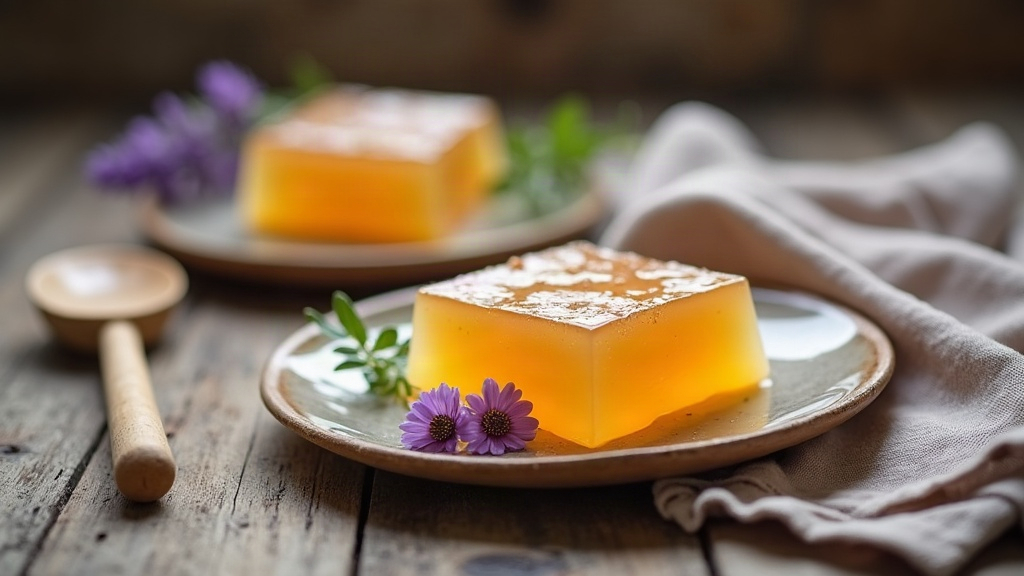
Before the coffee, before the rush out the door — a quiet look at why gelatin keeps coming up in conversations about daily habits, collagen, and how women’s bodies change over time.
Long before anyone notices anything in the mirror, a few quiet shifts are already underway. Here’s what tends to get overlooked.
Gelatin is essentially cooked collagen, and the body's natural collagen output tends to decline gradually — a shift that rarely gets discussed outside of skincare aisles.
How full a meal feels — and how long that feeling lasts — can change over the years, often without an obvious cause.
Muscle and lean tissue naturally shift with age and activity level, which is part of why the same routines can feel different over time.
Most conventional diet advice was designed around calories alone, with little attention paid to protein quality, collagen, or how satiety actually works.
A lot of what circulates about women’s metabolism is oversimplified. Here’s a side-by-side look.
Metabolism is fixed once you become an adult.
Metabolic rate is influenced by muscle mass, activity, sleep, and hormones — it shifts continuously, not just at one life stage.
Cutting calories is the only variable that matters.
Protein quality, meal timing, and satiety cues all play a role in how a routine actually feels day to day.
Supplements alone dictate outcomes.
Habits, consistency, and lifestyle context all factor in — no single ingredient works in isolation.
Nothing complicated — just three ideas that show up repeatedly in how gelatin gets discussed as part of a daily habit.
Understand what gelatin is, where it comes from, and why it’s chemically different from flavored gelatin desserts.
Habits build over weeks, not days — the conversation around gelatin is almost always framed around routine, not one-off use.
Sleep, hydration, and meal structure all interact with any single habit — gelatin included.
Long before gelatin appeared in wellness routines, it was a kitchen staple — bone broths, aspics, and slow-simmered stocks were common across many culinary traditions precisely because nothing was wasted. Collagen-rich cuts were valued, not discarded. What’s now framed as a modern habit is, in many ways, a return to something much older.
Insight: the interest in gelatin today often traces back to traditional cooking practices, not a new invention.
Meals that used to hold satiety for hours may not feel the same way anymore.
Changes in elasticity or texture are often the first thing people notice.
Everyday movement can feel different than it used to, especially after activity.
The scale and how clothes fit don't always tell the same story.
An afternoon slump that wasn't there before can become a regular pattern.
Slower growth or breakage is a small but commonly mentioned observation.
These statements reflect personal experiences and opinions. Individual results may vary. These testimonials are not a guarantee of any outcome.
Hydrolyzed gelatin is gelatin that has been broken down into smaller protein fragments so it dissolves more easily in liquids. It comes from the same collagen-based source as traditional gelatin.
No. Flavored gelatin desserts contain added sugar, coloring, and flavoring. Plain or hydrolyzed gelatin is simply the processed collagen protein itself, without those additives.
No. This content is educational and does not diagnose, treat, cure, or prevent any condition. It is not a substitute for professional medical advice.
No. The information here is general and intended for any adult woman interested in learning more about collagen, satiety, and daily habits.
Gelatin is derived from collagen found in animal connective tissue, bones, and skin, most often through a process of simmering and extraction — the same basic principle behind traditional bone broth.
Yes. Always consult a qualified healthcare professional before making changes to your diet or wellness routine, especially if you have any existing health conditions.
This page provides educational information and may include links to third-party resources or offers, which may involve compensation as disclosed in our footer.
Take a closer look at how gelatin fits into daily wellness routines — no promises, just information worth understanding.
Advertising Disclosure: This page contains sponsored content and affiliate links. We may receive compensation if you click on or make purchases through links provided on this page. This compensation may impact how and where products appear, but does not influence our editorial content.
Content Disclaimer: The information provided on this page is for educational purposes only and has not been evaluated by the FDA. It is not intended to diagnose, treat, cure, or prevent any disease or health condition. Always consult a qualified healthcare professional before making changes to your diet, supplement routine, or lifestyle.
Results Disclaimer: Individual results may vary. Any testimonials or experiences shared on this page are personal opinions and are not a guarantee of any specific outcome or result.
© 2026 · All Rights Reserved · /contact/